Resins are a broad class of polymeric materials that play a fundamental role in modern chemical, petrochemical, and manufacturing industries. They are typically viscous liquids or solid substances that can be transformed into durable, high-performance materials through curing, polymerization, or cross-linking processes. Due to their excellent mechanical strength, chemical resistance, adhesion, and thermal stability, resins are widely used as binders, coatings, structural materials, and intermediates in countless industrial applications.
From a commercial and industrial perspective, resins form the backbone of industries such as construction, automotive, marine, electronics, packaging, coatings, adhesives, composites, and advanced engineering materials. Their versatility allows manufacturers to tailor properties such as flexibility, hardness, heat resistance, electrical insulation, and chemical durability to meet specific performance requirements.
Classification of Resin Products
Resins are generally classified into several major categories based on their chemical structure, curing mechanism, and end-use performance. The most important resin groups in global trade and industrial supply chains include:
Thermosetting Resins
These resins undergo irreversible chemical reactions during curing, forming rigid and heat-resistant structures. Once cured, they cannot be melted or reshaped.
Common thermosetting resins include:
• Epoxy Resins
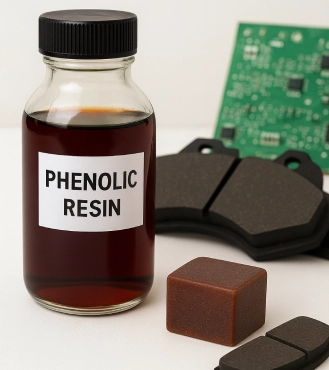
• Phenolic Resins
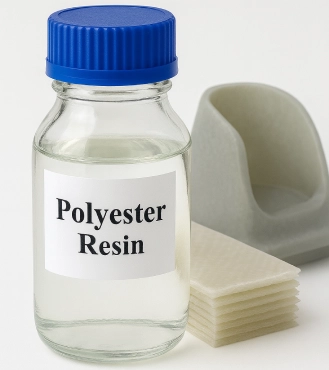
• Polyester Resins
• Vinyl Ester Resins
• Amino Resins (Urea-Formaldehyde, Melamine-Formaldehyde)
• Alkyd Resins
Thermosetting resins are widely used in coatings, laminates, electrical components, composites, corrosion-resistant structures, and high-strength adhesives.
Thermoplastic Resins
Thermoplastic resins soften when heated and harden upon cooling, allowing repeated processing without significant chemical change.
Examples include:
• Acrylic resins
• Polyamide-based resins
• Polycarbonate resins
• Certain polyurethane systems
These resins are preferred for applications requiring recyclability, flexibility in processing, and dimensional precision.
Key Industrial Applications of Resins
Resins are indispensable across a wide range of industries, including:
• Construction & Infrastructure: concrete additives, flooring systems, insulation, pipes, panels
• Coatings & Paints: protective coatings, industrial paints, marine and anticorrosion systems
• Composites: fiberglass, carbon fiber composites for automotive, aerospace, marine, and wind energy
• Adhesives & Sealants: structural bonding, packaging, woodworking, and electronics
• Electrical & Electronics: insulation materials, encapsulation compounds, circuit protection
• Automotive & Transportation: body panels, coatings, interior components, lightweight composites
• Furniture & Wood Products: laminates, varnishes, MDF and particleboard binders
Commercial Importance and Global Market Role
Resins represent a high-value segment of the global chemical and petrochemical market. Their demand is closely linked to infrastructure development, industrialization, automotive production, renewable energy projects, and advanced manufacturing technologies. Continuous innovation in resin chemistry has led to improved performance, sustainability, and compliance with environmental regulations, including low-VOC, bio-based, and high-efficiency resin systems.
Conclusion
The resin product group forms a critical foundation of modern industrial materials. With a wide spectrum of chemical compositions and performance characteristics, resins enable the production of durable, high-performance, and cost-effective solutions across nearly every industrial sector. Their strategic importance in global trade, manufacturing, and technological advancement makes resins a core category within the chemical and petrochemical supply chain.