Basic chemicals form the foundation of the global chemical and petrochemical industry. They are large-volume, essential chemical substances that serve as primary raw materials for a wide range of downstream industries, including manufacturing, construction, agriculture, pharmaceuticals, textiles, plastics, detergents, coatings, and water treatment.
Unlike specialty or fine chemicals, basic chemicals are characterized by high production volumes, standardized specifications, and broad industrial applications. Their importance lies in their role as building blocks for countless chemical reactions, formulations, and industrial processes across global supply chains.
In international trade, basic chemicals are valued for their consistent quality, scalability, and logistical efficiency, making them a critical segment for both domestic consumption and export-oriented markets.
Key Products in the Basic Chemicals Category
In our product portfolio, the Basic Chemicals category includes the following core materials, each playing a strategic role in industrial production:
Caustic Soda (Sodium Hydroxide)
Caustic soda is a highly alkaline inorganic chemical widely used in industries such as pulp and paper, alumina refining, soap and detergent manufacturing, textiles, water treatment, and chemical processing.
It is valued for its strong reactivity, pH control capability, and effectiveness in neutralization, saponification, and cleaning processes. Caustic soda is commonly supplied in flakes, pearls, or liquid form, depending on application requirements.
Ethyl Acetate
Ethyl acetate is a volatile organic solvent with a pleasant odor, widely used in paints and coatings, inks, adhesives, pharmaceuticals, cosmetics, and food processing.
Its fast evaporation rate, low toxicity profile, and excellent solvency make it a preferred solvent in industrial and formulation applications. Ethyl acetate is also commonly used as an extraction solvent and as a carrier in specialty chemical blends.
n-Hexane (Normal Hexane)
n-Hexane is a light aliphatic hydrocarbon solvent primarily used in oil extraction (especially edible oils), polymerization processes, adhesives, coatings, and laboratory applications.
It is known for its strong dissolving power for non-polar compounds and its role in industrial separation and purification processes. High-purity grades are essential for consistent performance in sensitive industrial operations.
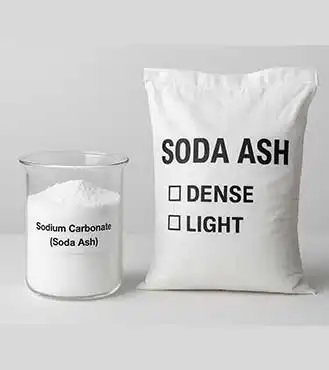
Soda Ash (Sodium Carbonate)
Soda ash is a key alkaline chemical used extensively in glass manufacturing, detergents, chemicals, metallurgy, and water softening.
It plays a critical role in adjusting alkalinity, acting as a fluxing agent in glass production, and improving cleaning efficiency in detergent formulations. Soda ash is traded globally in dense and light grades, tailored to different industrial needs.
Sulfuric Acid
Sulfuric acid is one of the most important industrial acids worldwide, often considered a benchmark of industrial capacity.
It is essential in fertilizer production, petroleum refining, metal processing, chemical synthesis, battery manufacturing, and wastewater treatment. Due to its strong acidic nature and high reactivity, sulfuric acid is a cornerstone chemical in both basic and advanced industrial processes.